
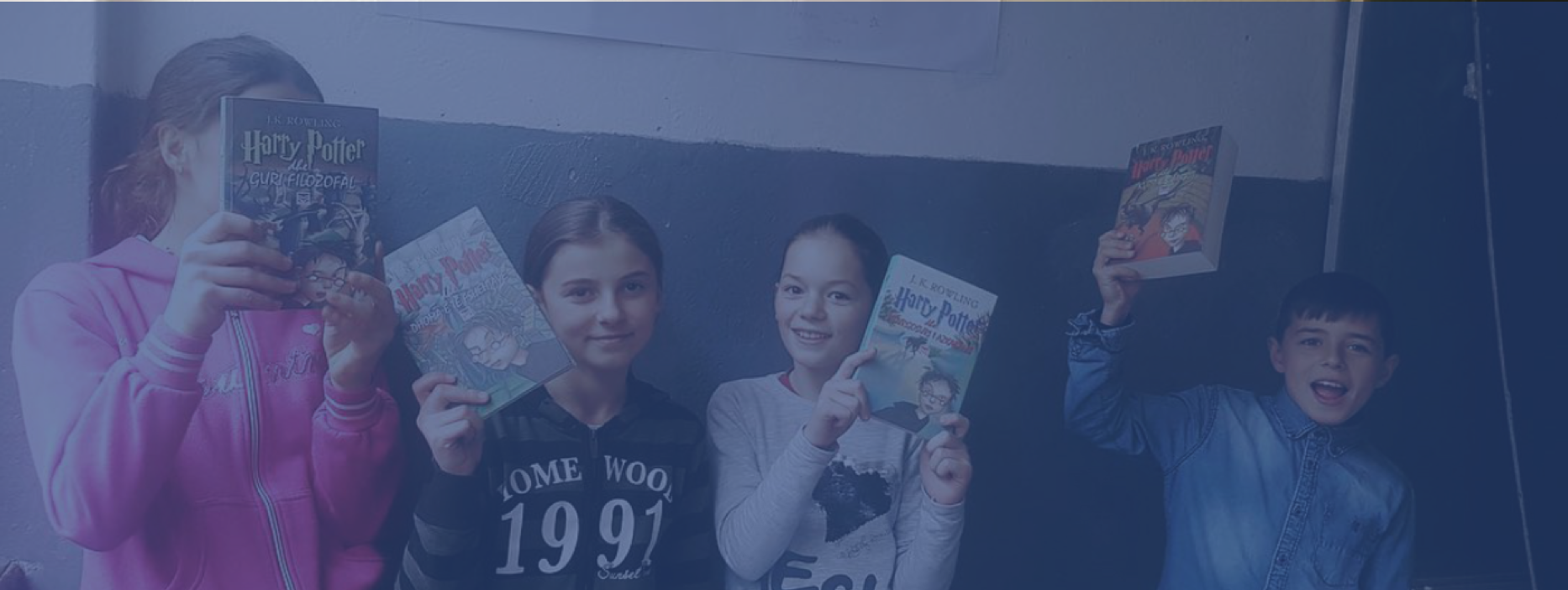
Our approach combines structured reading practice, trained teachers, evidence-based reading models, access to fiction, circulating libraries, and welcoming reading environments, ensuring that children are supported before, during, and after reading. All of our projects strengthen reading comprehension using child-friendly, engaging, and easily memorable techniques.
Our Approach
Inside the Reading Hour
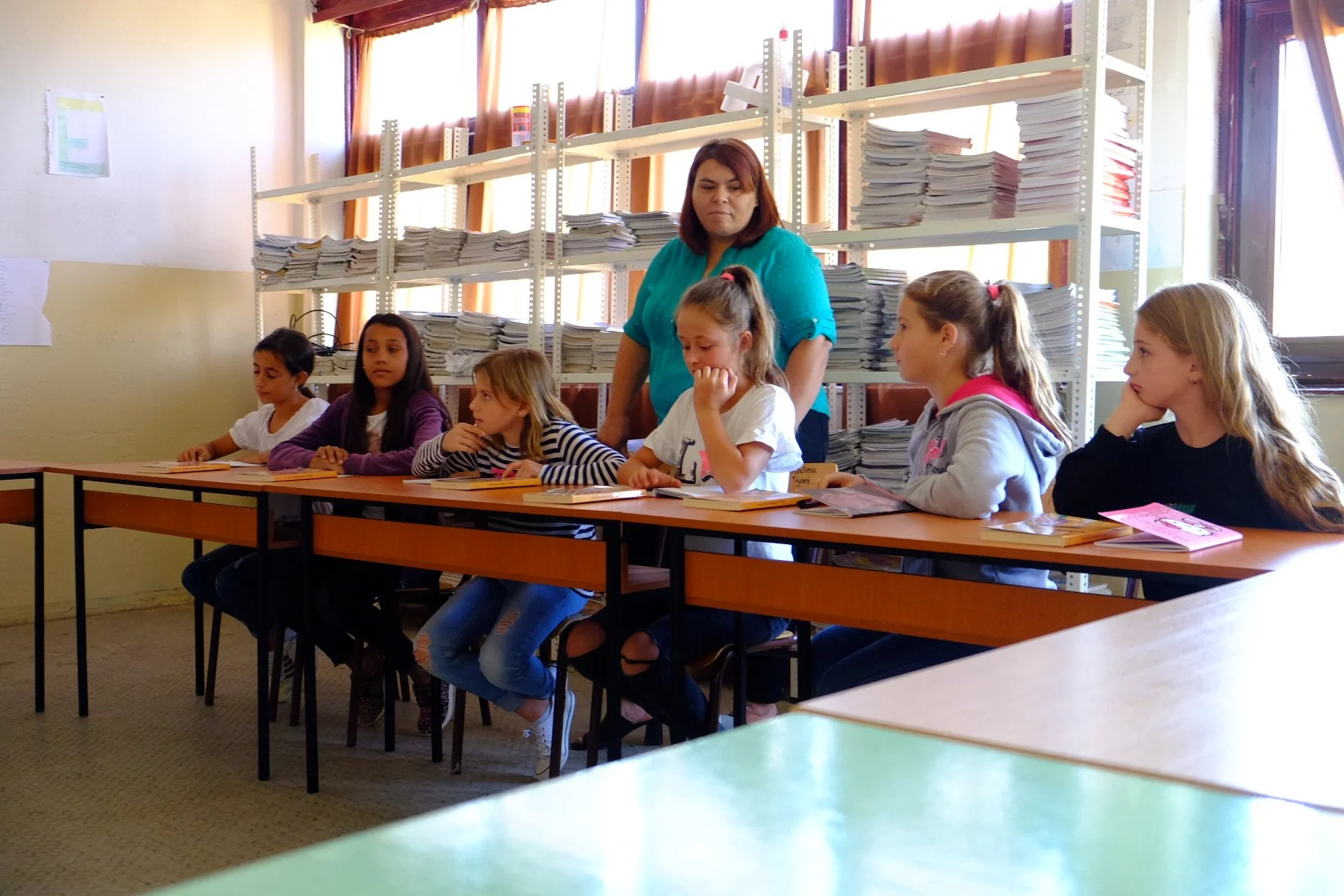
A reading hour is a creative, thoughtfully structured journey grounded in evidence-based reading practices.
The teacher begins by sparking curiosity and activating prior knowledge. As students read aloud together, they pause to predict, question, and make meaningful connections. Through shared reflection and discussion, understanding deepens and ideas come alive.
This approach is fully outlined in our Teacher’s Guide, offering practical prompts and ready-to-use lesson ideas to inspire and enrich classroom learning.
Teachers as Guides
and Multipliers
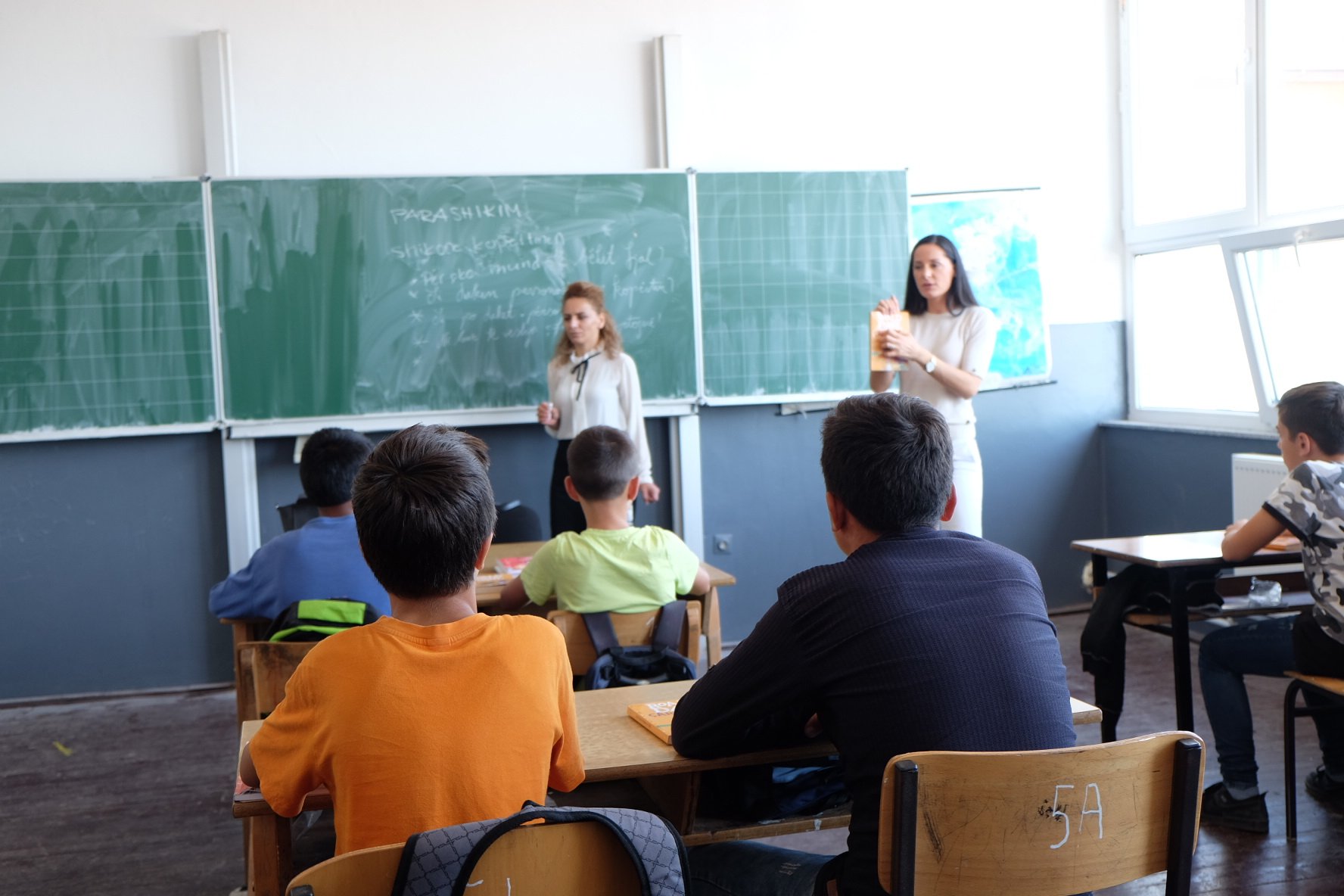
Teachers are trained to guide students’ comprehension while they read, using strategies grounded in established reading models. Through the Teacher’s Guide, these strategies are translated into practical classroom actions.
Our training is designed so that teachers can support and train their colleagues in the schools where they work. This multiplier effect builds local capacity and helps the approach continue to grow beyond the initial training.
Where Reading Comes Alive
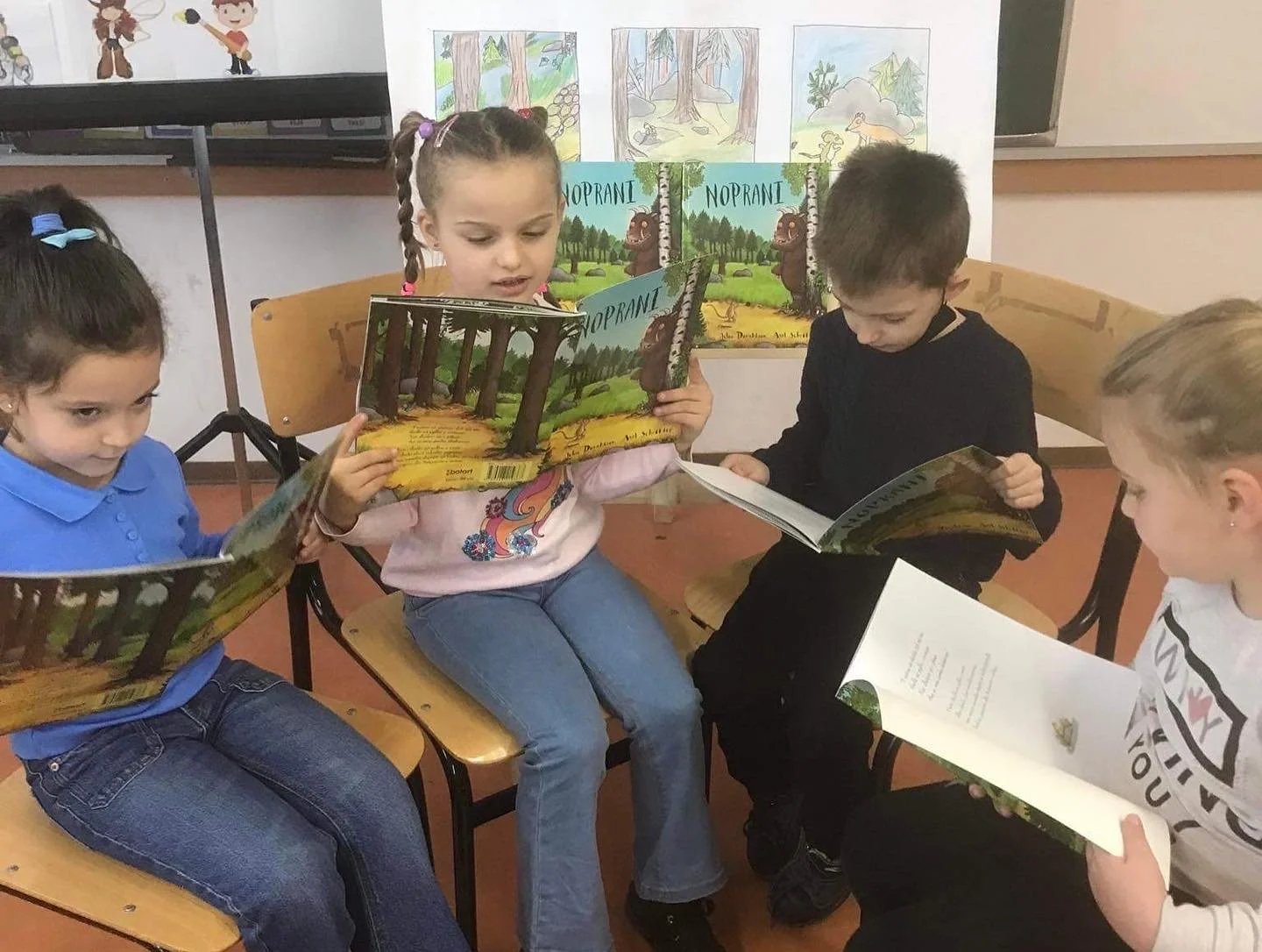
Children are drawn to stories that make them feel heard and connected, as well as to books with rich, engaging visuals. Reading comprehension grows when books are visible, accessible, and part of everyday life. The libraries, reading spaces, and cozy corners we create are designed to welcome students and inspire a lifelong love of reading.
By involving students in shaping these spaces, we make reading a shared, inviting, and meaningful experience.
How Circulating Libraries Connect Schools and Public Libraries
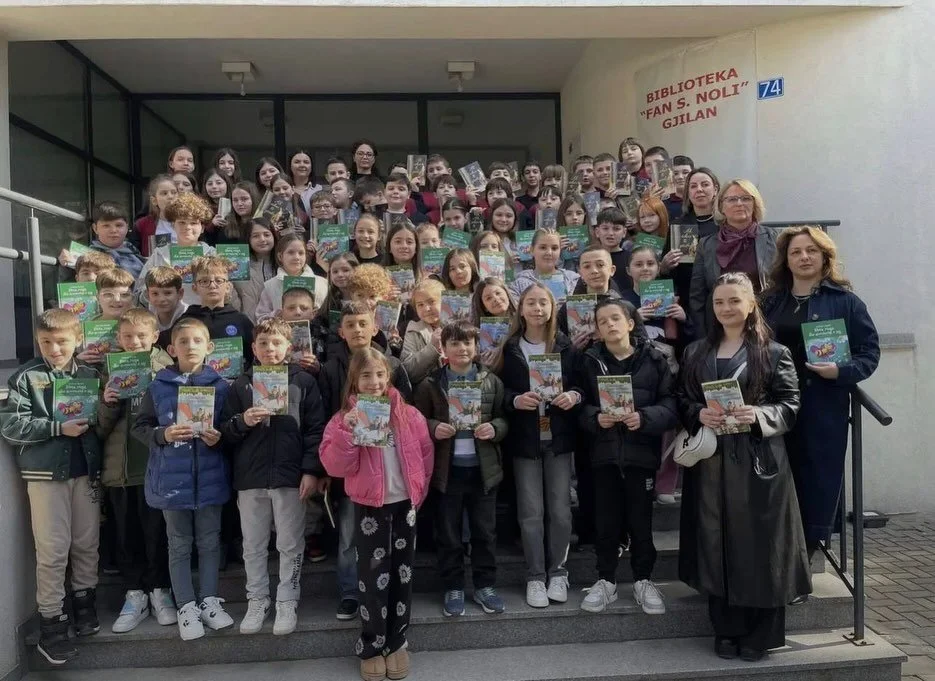
Circulating libraries allow books to move between classrooms, schools, and public libraries, ensuring that more students have access to suitable fiction for their age.
This system connects schools with public library resources and supports continuous access to books beyond a single classroom or lesson. By integrating circulating libraries into the method, reading becomes supported both inside the school and through the public library network.
Built on Evidence-Based Reading Models
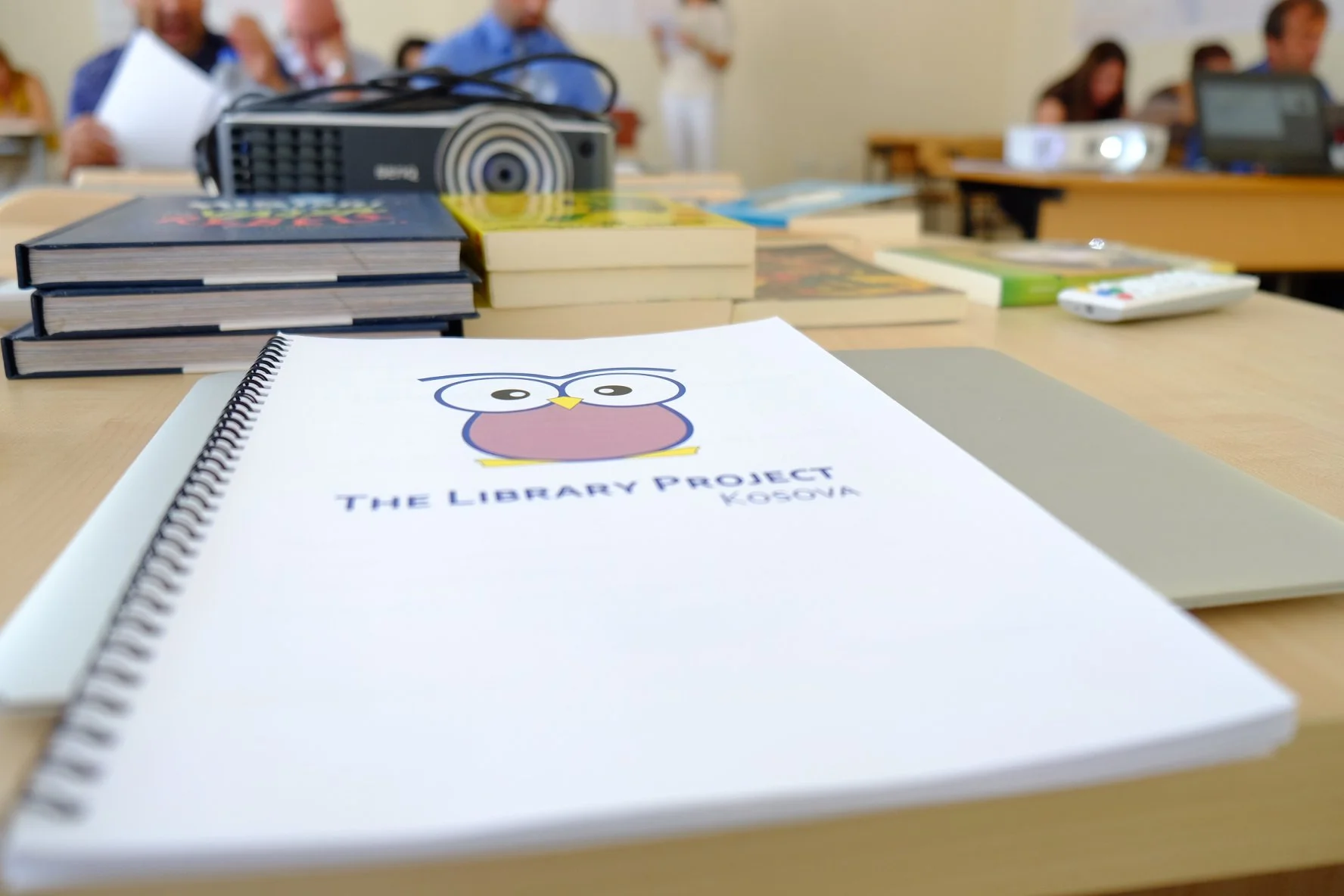
Compiled by our academic staff, the strategies used in reading hours and teacher training are inspired by evidence-based models such as reciprocal learning and transactional strategy instruction. These models emphasize prediction, questioning, connection-making, reflection, and dialogue during reading—helping students learn to think critically as they read.
Explore the Teacher’s Guide
The Teacher’s Guide provides the reading strategies, lesson structures, and practical examples used during teacher training and reading hours in classrooms.